What is Faraflow?
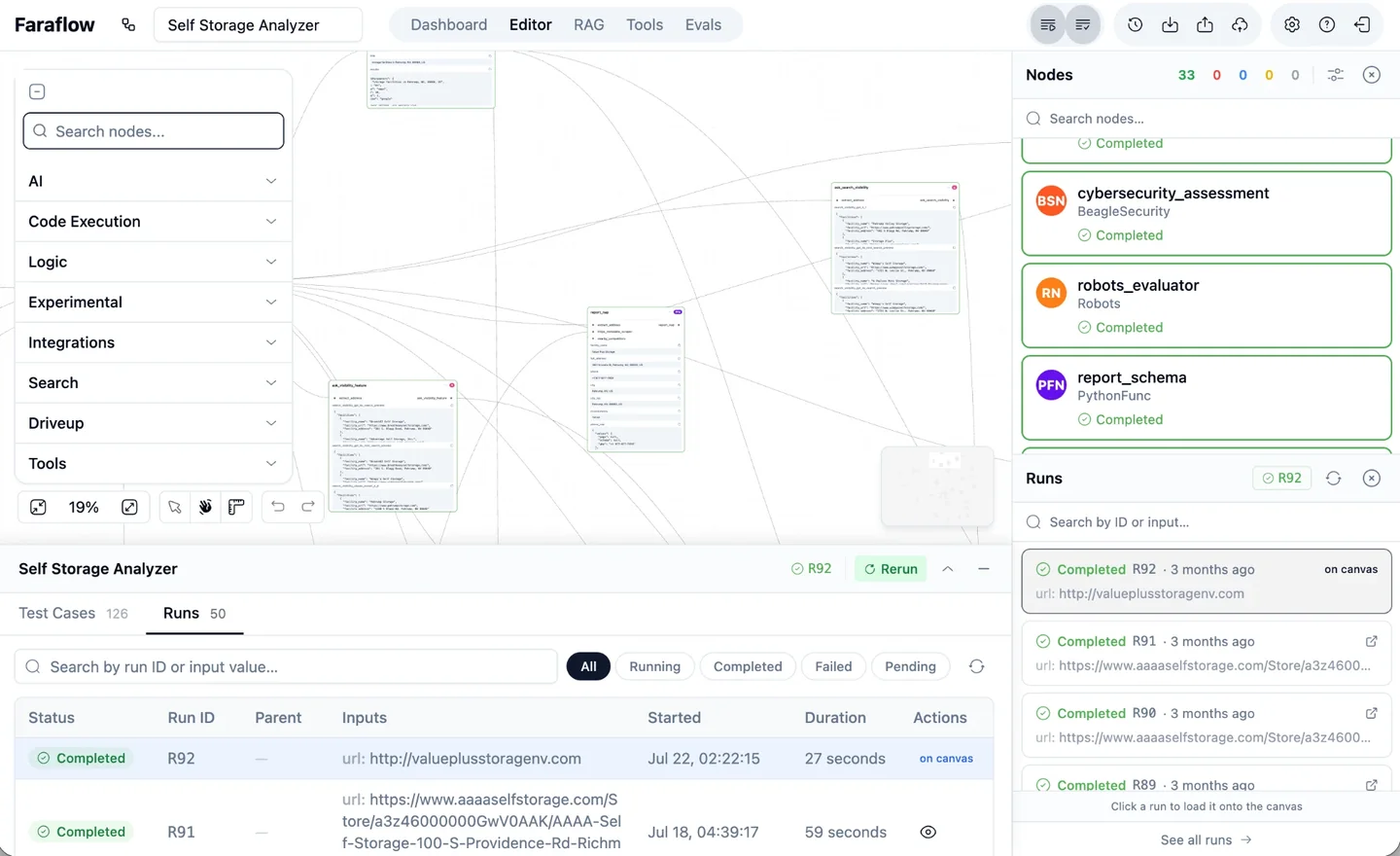
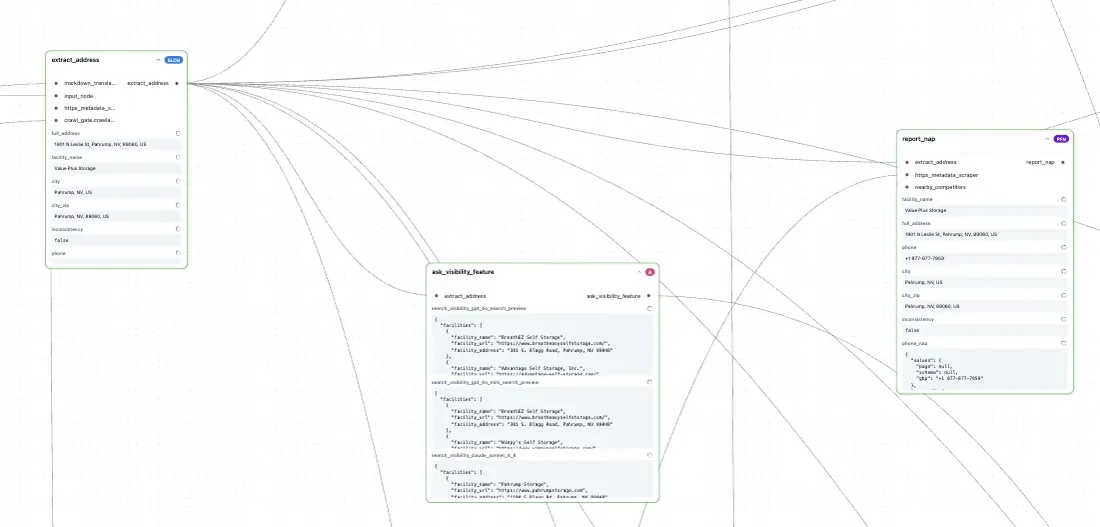
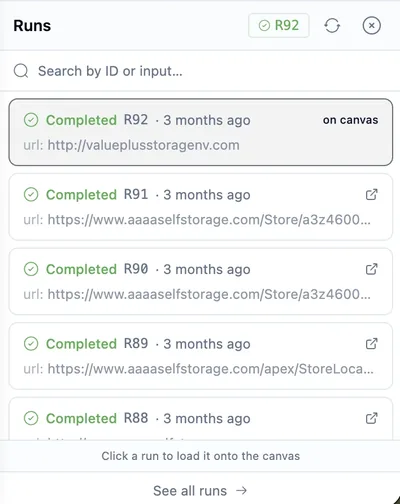
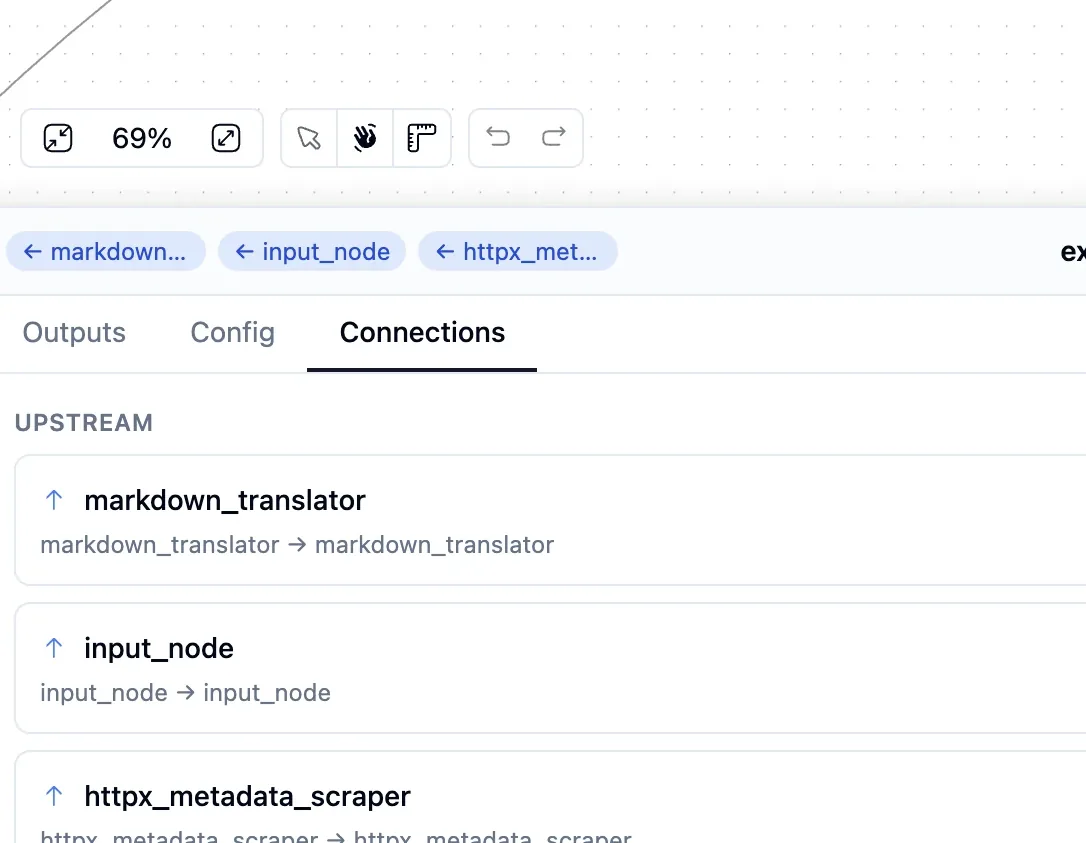
- Faraflow is an open-source platform for building AI agents and workflows, developed and supported by Alokin. You design a workflow visually in the studio, run it with the engine on your own infrastructure, and trace every step of every run.
Is Faraflow open source?
- Yes. The source code is open, so you can read it, run it yourself and change it. Faraflow grew out of the open-source PySpur project and has been heavily extended since.
Can I run Faraflow on my own infrastructure?
- Yes. Faraflow runs on your own infrastructure, so you decide where your workflows run and where your data lives.
How is Faraflow different from an AI agent framework?
- An agent plans its work again on every run. In Faraflow the steps are decided once, a model is called only where a step needs one, and every run follows the same path. You can still use a free-form agent inside a step where the task is open-ended.
How is Faraflow different from libraries like LangChain or LangGraph?
- LangChain and LangGraph are code libraries: they give developers building blocks for writing agents and graphs in Python or JavaScript. Faraflow is a complete studio and engine. You design the workflow visually, run it on your own infrastructure, and get run traces, test cases, retries and publishing as an API built in, so the whole team can see and change how a workflow works. Code nodes let developers add custom logic where they need it.
Which AI models does Faraflow work with?
- Faraflow connects to 100+ model providers, and you choose the model per step: a smaller, cheaper model for routine steps and a larger one where judgment matters.
Is Faraflow used in production?
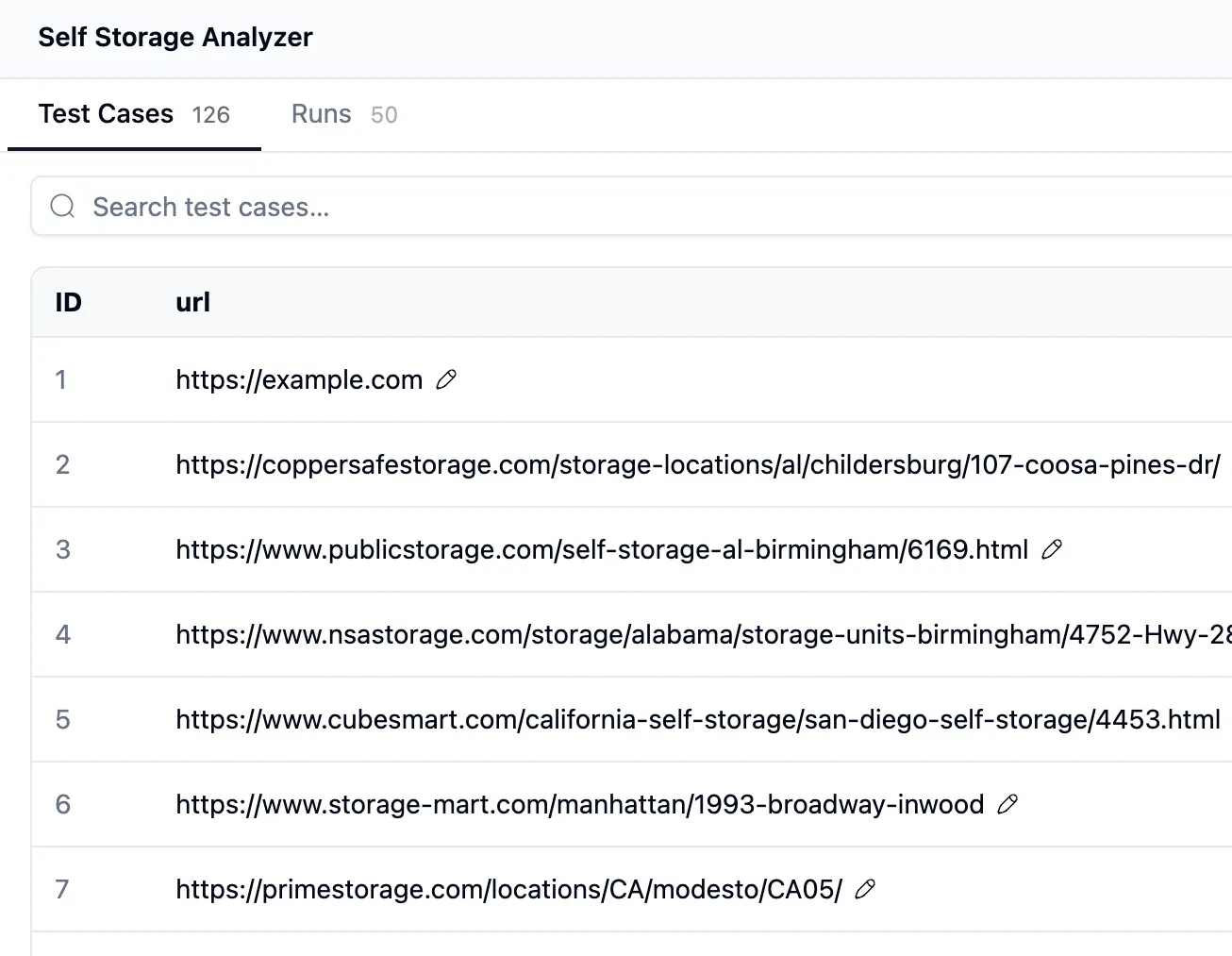
- Yes. DriveUp, an AI visibility analysis tool for self-storage operators, runs its report workflows on the Faraflow engine in production.
Who builds and supports Faraflow?
- Alokin, a software consultancy delivering software since 2003. Alokin maintains Faraflow, offers commercial support, and can design and build workflows for your business.
What is Faraflow?
Faraflow is an open-source platform for building AI agents and workflows, developed and supported by Alokin. You design a workflow visually in the studio, run it with the engine on your own infrastructure, and trace every step of every run.
Is Faraflow open source?
Yes. The source code is open, so you can read it, run it yourself and change it. Faraflow grew out of the open-source PySpur project and has been heavily extended since.
Can I run Faraflow on my own infrastructure?
Yes. Faraflow runs on your own infrastructure, so you decide where your workflows run and where your data lives.
How is Faraflow different from an AI agent framework?
An agent plans its work again on every run. In Faraflow the steps are decided once, a model is called only where a step needs one, and every run follows the same path. You can still use a free-form agent inside a step where the task is open-ended.
How is Faraflow different from libraries like LangChain or LangGraph?
LangChain and LangGraph are code libraries: they give developers building blocks for writing agents and graphs in Python or JavaScript. Faraflow is a complete studio and engine. You design the workflow visually, run it on your own infrastructure, and get run traces, test cases, retries and publishing as an API built in, so the whole team can see and change how a workflow works. Code nodes let developers add custom logic where they need it.
Which AI models does Faraflow work with?
Faraflow connects to 100+ model providers, and you choose the model per step: a smaller, cheaper model for routine steps and a larger one where judgment matters.
Is Faraflow used in production?
Yes. DriveUp, an AI visibility analysis tool for self-storage operators, runs its report workflows on the Faraflow engine in production.
Who builds and supports Faraflow?
Alokin, a software consultancy delivering software since 2003. Alokin maintains Faraflow, offers commercial support, and can design and build workflows for your business.